
Understanding the types of relay is a cornerstone for engineers and technicians working in automated equipment design. A solid grasp of relay functionality not only enhances technical expertise but also builds confidence in creating efficient, reliable, and safe systems. Relays serve as the backbone of electrical automation, controlling circuits, protecting equipment, and ensuring smooth operation.
Importance of Relay Knowledge in Automation
- Reliable Switching: Knowledge of relay types ensures circuits are switched accurately, reducing the risk of faults.
- Enhanced Safety: Correct relay selection prevents overloads, short circuits, and unexpected shutdowns.
- System Optimization: Awareness of relay characteristics helps in optimizing operational speed and energy consumption.
By exploring relay types, designers can confidently anticipate how circuits respond under different conditions, ensuring smoother automation. Reviewing types of relay strengthens engineering knowledge.
Common Types of Relays in Automated Systems
- Electromechanical Relays (EMRs):
- Operate with a mechanical armature that physically opens or closes contacts.
- Ideal for general-purpose switching and high-current applications.
- Provide visual and tactile confirmation of operation, enhancing troubleshooting confidence.
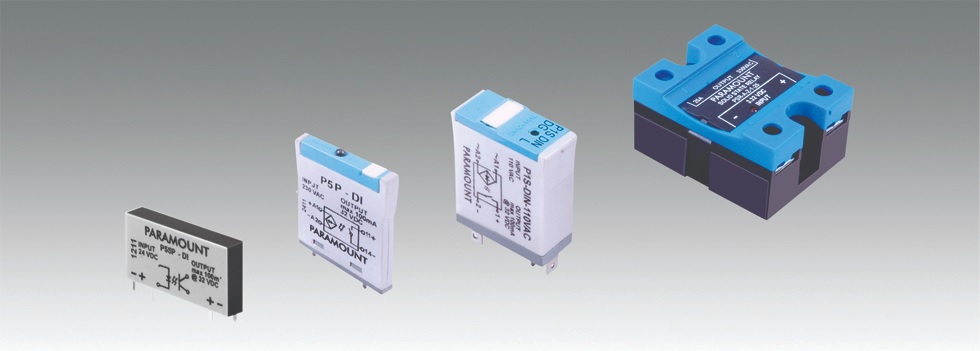
- Solid State Relays (SSRs):
- Utilize semiconductor devices to switch circuits without moving parts.
- Offer faster response times and longer operational life.
- Minimize maintenance needs, enabling engineers to focus on system design rather than routine upkeep.
- Time-Delay Relays:
- Allow circuits to activate or deactivate after a set period.
- Useful for sequential operations in automated equipment.
- Provide precision timing, boosting system reliability.
- Overload and Protective Relays:
- Protect motors and circuits from excessive current or voltage fluctuations.
- Enhance safety by preventing equipment damage.
- Instill confidence in engineers that the system can handle unexpected conditions.
Benefits of Relay Awareness in Design
- Informed Component Selection: Selecting the appropriate relay type for specific tasks ensures efficient performance.
- Reduced Downtime: Understanding relay behavior prevents unnecessary failures and simplifies troubleshooting.
- Scalable Designs: Knowledge of relay functionality allows engineers to design systems that can be expanded or modified without compromising reliability.
Building Confidence Through Practice
- Hands-On Experience: Testing different relays in lab setups strengthens understanding of their characteristics.
- Simulation Tools: Virtual simulations allow designers to predict relay behavior in complex circuits safely.
- Continuous Learning: Staying updated on relay technology trends enhances decision-making in modern automated equipment design.
Conclusion
Exploring the types of relay empowers engineers and technicians to approach automated equipment design with confidence. By understanding the unique capabilities and applications of each relay type, professionals can create systems that are safe, efficient, and reliable. The combination of practical experience, informed selection, and ongoing learning ensures that automation designs not only meet technical requirements but also exceed performance expectations. Awareness and mastery of relays transform theoretical knowledge into practical expertise, fostering innovation and precision in automated system design.